For your clients and your team
What your customers open, the desk your team works from, and the tools in between — each with its own backend.
Tell Bnome how your business works. It builds the apps your clients and your team use, on one real database, and keeps the work running on its own. Built something on Lovable already? Bring it over.
| Person | Class | Paid | Reminded |
|---|---|---|---|
| Maya K. | Reformer · Mon 07:30 | €18 | — |
| Leo T. | Mat · Wed 18:30 | pack 7/10 | — |
| Anna R. | last came Sep 9 | — | — |
| Nina S. | Mat · Fri 18:30 | €18 | — |
Apps, data and work, built together and wired up — with AI inside all three.
What your customers open, the desk your team works from, and the tools in between — each with its own backend.
People, orders, payments and everything that happened, in tables every app shares.
Checks, reminders and reports on a schedule, with a trace of every run.
Plus connections to the tools you use, and your own domain.
People, orders, payments and everything that happened live in tables every app shares. Here Ethan picks his paint in his own app — and the workshop’s desk and canvas show it within seconds. A real system built on Bnome, nothing mocked up.
Research, a price list, four product shots, an app for your client: the agent lays out what it does on one canvas, with arrows for why — and keeps every piece as data the next step can use.
Made by hand on the coast. Every glaze drips once.
For gift buyers · €36



Connect Airtable — your tables stay where they are. Bnome reads them and builds what they lack: a portal where each client sees only their own records, a desk for your team, reminders that go out on their own. Move the tables in later, if you want.
Export it to GitHub or a zip, and bring it here. The agent moves it onto Bnome and gives it what a page alone can’t have: a real database, sign-in, work on a schedule, your own domain.
Airtable is a registered trademark of Formagrid Inc. Lovable, Bolt and v0 are trademarks of their respective owners. Bnome is not affiliated with, endorsed or sponsored by any of them.
Every app on Bnome comes with the models that matter, already wired in. No keys, no accounts — each run is paid from your credits.
A handwritten order in. The order out, already at the bar.
GPT-5.2 reads the photo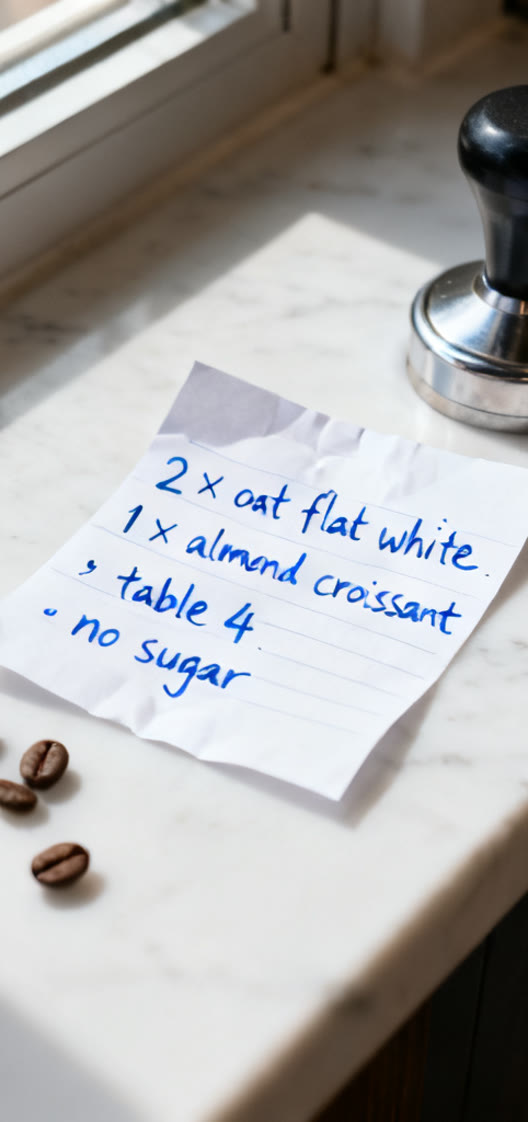
No sugar
Hi! Can I move Thursday’s class to Friday evening? Same time if you have it.
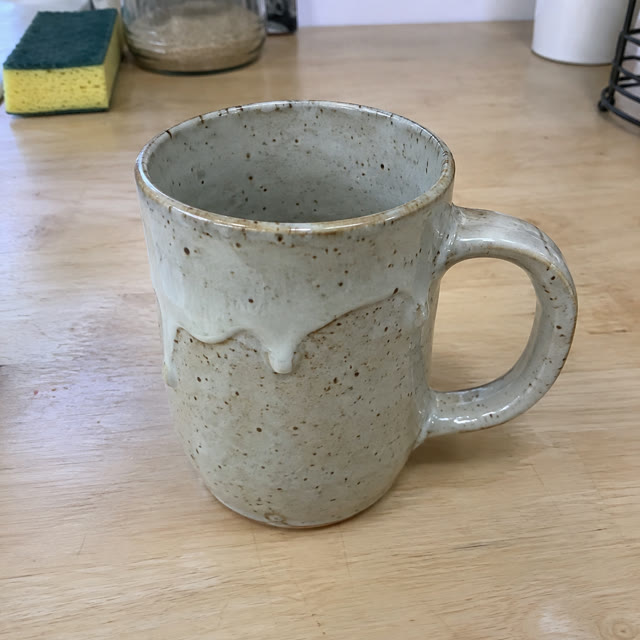

Every photo, the film and the track above were made by these models, through the same gateway your app uses.
In your own words. A sentence is enough.
Which apps, which data, which connections, what runs without you. You see the plan first.
Several apps on one base, each with its own backend, contract and keys.
On our servers, on a schedule, with a trace of every run.
It keeps working when nobody is watching.
Every system on Bnome runs like a small computer of its own: programs keep working, jobs start on time, the services the business needs come up on their own, and after every change the agent checks all of it.
One day of a demo repair workshop, played in thirty seconds
The app your clients open, the desk your team works from, a bot that answers at night: each at its own address, doing its work whether anyone is looking or not.
Every few minutes, or at seven in your time zone. Every run is recorded, so you can see what happened and when.
Programs pass work to each other through events and queues. If one is busy, the delivery is kept and tried again.
The agent works out what the business needs — a worker for the bot, a place for files, a job for the morning report — and brings it up.
Every program reads and writes the same records. Nothing is copied between apps, so nothing drifts apart.
Every change is built and opened in a real browser before it goes live. Then the agent checks the whole system — programs answer, jobs run, deliveries land — and fixes what doesn’t.
That is why it can be almost anything: a booking desk, a shop, a news desk that posts on its own. The parts stay the same. The agent decides how they fit.
Twice a day it reads the news, picks the stories worth your readers’ time and writes each one with a picture. You approve from your phone — now, or in the next good slot. Then it shows you what worked.
Different businesses, the same shape: what comes in, the apps, the base they share, and the work that runs on its own.
Ships on a live map, arrival checks every hour, and a message before containers run short.
A long video in, vertical clips out. Accounts, a queue, minute packs, promo codes and a dashboard for the owner.
Requests and approvals on top of the tables your team already keeps, with a note in Slack when one waits.
Supplier prices pulled into your shop every hour, with a message when something jumps.
Your system’s actions — book, order, check — described so an assistant can use them.
Classes and packs, a booking page, reminders every morning, and a desk that sees who stopped coming.
The agent works out which services the business needs and asks for each one in a line. You connect it once, and every app in the system can use it.
Stripe, Google Calendar, Gmail, Google Sheets, HubSpot, Notion, Slack, Airtable, Figma, Google Drive. The account belongs to your system, not to one app.
WhatsApp, Calendly, Zoom, Jira, Zendesk and the rest: sign in, or paste a key on the service’s own page.
The agent reads the service’s docs and sets one up. You paste the key once; it is kept encrypted and added to every call. Nothing extra runs.